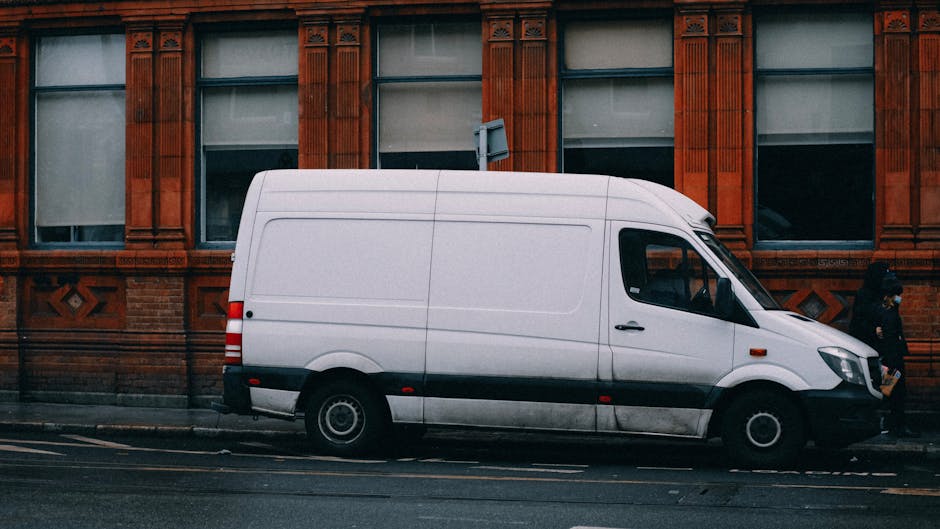
Compare Van Sizes for Gallows Corner Moves (Price Guide)
If you are trying to compare van sizes for Gallows Corner moves, you are probably doing the same careful mental maths everyone does before a move: how much fits, how many trips are likely, and what the final price might look like once the job is actually underway. It sounds simple. In real life, it rarely is. A compact load can suddenly become a couple of heavy wardrobes, a sofa with awkward angles, a stack of boxes, and a hallway that feels a bit narrower than you remembered at 8 a.m.
This guide breaks down the practical differences between small, medium, large, and Luton-style vans for moves in and around Gallows Corner. You will get a clear price guide, real-world sizing advice, and a sensible way to choose the right vehicle without paying for more space than you need. If you are also comparing service options, it may help to look at man and van services, removal van options, or the wider pricing and quotes information when you are ready to weigh up your choices.
Truth be told, the cheapest van is not always the cheapest move. A slightly larger van can save a second trip, reduce loading stress, and make the whole day less chaotic. And on a busy London road network, less faffing around can be worth a lot.
Table of Contents
- Why van size matters for Gallows Corner moves
- How van size and pricing usually work
- Key benefits of comparing van sizes
- Who this guide is for
- How to choose the right van step by step
- Expert tips for a smoother move
- Common mistakes to avoid
- Tools, resources and recommendations
- Law, compliance and best practice
- Van size comparison table
- A real-world style example
- Practical checklist
- Conclusion
- Frequently asked questions
Why Compare Van Sizes for Gallows Corner Moves (Price Guide) Matters
Gallows Corner is one of those places where the details matter. Traffic, access, parking, timing, and property layout can all affect the success and cost of a move. A van that looks "big enough" on paper may not be the right fit once you factor in the number of items, the shape of the furniture, and the route from front door to vehicle.
Comparing van sizes matters because the size you choose changes three things at once:
- Capacity - how much can fit safely in one trip.
- Efficiency - how long loading and unloading will take.
- Cost - the vehicle size often influences the total quote, even when the base hourly rate looks similar.
That last part catches people out. A smaller van may appear cheaper, but if it means multiple journeys or extra labour time, the total can creep up. On the other hand, booking a huge van for a single small load can mean paying for space you never needed. Nobody wants that either.
In our experience, the best move is usually the one where the van matches the job properly, with a little breathing room. Not too tight, not wildly oversized. Just sensible. That balance is especially helpful for home moves, furniture pick-ups, and smaller office relocations, where the loading list can change at the last minute.
How Compare Van Sizes for Gallows Corner Moves (Price Guide) Works
The process is fairly straightforward once you strip away the jargon. You look at what you are moving, estimate the space it will take, and match that to a van size. Most removal operators will also consider weight, access, and whether items can be stacked safely.
A van size comparison usually starts with a visual inventory:
- Count the large items such as sofas, beds, wardrobes, tables, and appliances.
- Estimate the box volume from kitchen boxes, clothes boxes, books, and misc items.
- Check awkward pieces like mirrors, bikes, plants, or disassembled furniture.
- Think about access at both addresses. Stairs, parking distance, lifts, and tight turns all matter.
- Match the job to the vehicle so the load fits with room for safe handling.
Price is usually shaped by a mix of vehicle size, time on site, distance, loading difficulty, and how much help you need. For local Gallows Corner moves, shorter distances help keep costs down, but access problems can still add time. A ground-floor flat with easy parking is a different job from a top-floor property with one narrow staircase and no lift. You already know which one is more fun. Exactly.
It is also worth remembering that van size is not just about cubic feet or cubic metres. Internal shape matters. A van with a low roof but a generous floor length may suit flat-packed furniture, while a taller van can be a better fit for mattresses and upright items. Little details, big difference.
Key Benefits and Practical Advantages
Choosing the right van size gives you more than just space. It gives you control. And when you are moving, control is precious.
- Fewer trips - one well-sized van can reduce back-and-forth journeys.
- Lower stress - less reshuffling items on the pavement and fewer last-minute compromises.
- Better protection - items can be loaded more securely when the van is not overpacked.
- More predictable pricing - the right vehicle size makes quotes easier to understand.
- Quicker turnaround - especially helpful if you have a time-sensitive key handover or delivery window.
There is another quiet benefit people often forget: morale. A move that feels organised tends to stay organised. Once the van is chosen properly, the rest of the day usually flows better. You stop second-guessing every box. The kettle gets unpacked sooner. Life gets back to normal faster.
If you are comparing broader move options, the pages on home moves, house removals, and movers can help you think through the level of service you actually need.
Who This Is For and When It Makes Sense
This guide is useful if you are moving any of the following:
- a studio or one-bedroom flat
- a small family home with light furniture
- a few key items bought second-hand
- student accommodation contents
- office furniture or archive boxes
- a partial move, such as only bedrooms or only bulky furniture
It also makes sense if you are trying to decide between a man with a van style booking and a larger removal vehicle. For example, a single sofa, mattress, and a dozen boxes probably do not need a full removal truck. A three-bedroom house with white goods, garden gear, and packed cupboards is a different story. Easy call, usually.
Local access around Gallows Corner can also make a small van attractive even when the volume is moderate. Tight roads, brief parking opportunities, or a need to load quickly may make a compact or medium van more practical than a larger one. The "best" van is not always the largest van. It is the one that fits the day.
Step-by-Step Guidance
Here is a simple way to work out the right van size without overthinking it.
1. Make a room-by-room list
Start with the obvious items first. Beds, sofas, tables, wardrobes, desks, and appliances. Then add the smaller boxes. You will notice the total volume climbs faster than expected. It always does.
2. Separate essentials from optional items
If you are not sure about a lamp, a plant pot, or a spare chair, decide whether it really needs to move now. Cutting even a few low-priority items can save space and reduce the van size needed.
3. Measure awkward furniture
Measure the length, width, and height of large items, especially anything that does not pack flat. A wardrobe that looks manageable in a room may be a different beast once it is at the doorway.
4. Think about stacking
Boxes can often be stacked neatly. Sofas, wardrobes, and fragile pieces cannot be treated so casually. A move with lots of stackable cartons can fit into a smaller van than a move with two or three large upholstered items.
5. Consider access at both ends
If the load-in and load-out points are awkward, allow a bit more time and maybe a slightly larger vehicle. The cost difference between van sizes may be less painful than the cost of a frustrating, slow, stop-start day.
6. Ask for a price based on the full picture
When booking, give a clear description: number of rooms, access type, parking, any disassembly needed, and whether you will need loading help. The more accurate the information, the more reliable the quote. If you want to sense-check a booking, the pricing and quotes page is a sensible place to start.
Expert Tips for Better Results
After enough moves, a few patterns become pretty obvious.
- Leave a margin of space. A van filled to the roof may look efficient, but it can become risky fast if a tall item needs a better angle.
- Disassemble what you can. Flat-packed or dismantled furniture is far easier to load. Even removing legs from a table can make a difference.
- Pack boxes tightly, but not brutally. Squashed boxes are awkward to stack and can collapse under weight.
- Keep fragile items separate. Mirrors, lamps, and glass shelves are best treated as their own category.
- Use the van floor plan wisely. Heavy items low down, lighter items above, fragile items protected. Simple, but often ignored.
A practical tip that saves hassle: keep one clearly labelled box for documents, chargers, medication, and the tea-making essentials. Because let's face it, the first cup at the new place can feel like a minor victory.
If the move is more substantial or includes bulky household contents, you may also want to review house movers and house removalists so you can compare service levels as well as van sizes.
Common Mistakes to Avoid
Most moving mistakes are not dramatic. They are just small planning errors that snowball.
- Underestimating box count - boxes multiply in hidden corners like wardrobes and under beds.
- Forgetting access constraints - a van that fits the load may still not suit the street or driveway.
- Assuming all vans are the same internally - they are not. Wheel arches, roof shape, and door access change usable space.
- Choosing the cheapest quote without checking what is included - labour time, waiting time, and extra trips can all matter.
- Not protecting furniture - scratches and dents are more likely when a van is packed too tightly or loosely.
One classic mistake is booking a van that is technically large enough, but too small for the awkward pieces. A sofa may fit in theory, but if it has to be twisted in at a bad angle, you are suddenly burning time and patience. Nobody needs that on move day.
Tools, Resources and Recommendations
You do not need fancy equipment to estimate van size, but a few simple tools help:
- a tape measure
- a pen and paper or notes app
- basic room measurements
- a rough inventory list
- box counts by room
If you are comparing move types, it can help to read a few related service pages so you understand which level of support fits your situation. For example, man and van removals, removal services, and removal company give useful context for more structured or larger moves.
For customers who want extra support with boxing up, packing and unpacking services can reduce the pressure and make it easier to judge the final volume correctly. It is often the packaging, not the furniture, that changes the van size most.
Law, Compliance, Standards, or Best Practice
When comparing van sizes, the legal side is usually less about the vehicle choice itself and more about how the move is carried out. Good movers normally think about safe loading, road safety, insurance, and reasonable handling practices. That is the stuff that matters when a heavy wardrobe is heading down a staircase at 7:30 in the morning.
Best practice in the UK moving sector generally includes:
- safe lifting and carrying methods
- securing loads properly inside the vehicle
- checking insurance and vehicle suitability
- clear communication about access and parking
- honest pricing and realistic time estimates
If you are comparing providers, it is sensible to review the company's insurance and safety information and health and safety policy. You may also want to check terms and conditions so you know what happens if the move changes on the day. Small print is dull, yes, but it saves arguments later.
For sustainability-minded moves, recycling and sustainability can be relevant too, especially if you are clearing unwanted furniture before moving. Reducing load volume can sometimes reduce cost as well. Handy.
Options, Methods, or Comparison Table
Below is a practical comparison of common van sizes. These are broad planning ranges rather than fixed rules, because actual capacity varies by vehicle build and how items are packed.
| Van size | Best for | Typical loading style | Price guide direction |
|---|---|---|---|
| Small van | 1-2 rooms, a few boxes, single items, furniture pick-ups | Light, compact loads with limited bulk | Lowest cost, but may need extra trips |
| Medium van | Studio or small flat, mixed boxes, a bed, a sofa, small appliances | Good all-round balance for most local moves | Usually mid-range and often best value |
| Large van | 1-2 bedroom moves, bulky furniture, more boxes, heavier household loads | Ideal when you want fewer trips and more breathing room | Higher than medium, but can reduce time overall |
| Luton van | Large furniture, more packed rooms, tall items, fuller home moves | Best when stacking space and height matter | Higher again, but often the smartest choice for bigger jobs |
As a rough price guide, the smallest vans are usually the most economical for single-item or light-load jobs, while medium vans often offer the best balance of space and cost for everyday local moves. Large vans and Lutons make more sense once the load becomes bulky, heavy, or awkward. The real trick is not paying for capacity you will never use, while also not trying to save pennies and creating a three-hour delay. That balance is the whole game.
Case Study or Real-World Example
Picture a typical Gallows Corner move: a one-bedroom flat, one bed frame, mattress, two bedside tables, a sofa, a small dining table, and around twenty boxes. The first instinct might be to book a small van because the property is not huge. But once the bed and sofa are measured, the picture changes.
The sofa is the awkward bit. The mattress is the second awkward bit. The boxes are easy. The bed frame comes apart. Suddenly a medium van looks like the sensible choice, because it gives enough length for the furniture while leaving room for safe stacking. A small van might still do the job, but it could mean two trips or a more stressful loading pattern.
Now imagine the same move on a narrow street with limited parking and a short loading window. In that case, a medium van can still be better than a large one, not because of volume alone, but because it is easier to park and load efficiently. The "best" vehicle is part space decision, part logistics decision. Always.
That is the kind of judgment call a good mover makes quickly. You do not always need a bigger van. You need the right van for the actual day, not the version of the day you hoped for.
Practical Checklist
Use this checklist before you confirm your booking:
- Have I listed every large item?
- Do I know how many boxes I really have?
- Have I measured any awkward furniture?
- Do I know whether items can be dismantled?
- Is there parking close enough at both addresses?
- Are there stairs, lifts, or narrow hallways to factor in?
- Do I need help with loading or unpacking?
- Have I checked whether the move needs one trip or two?
- Have I reviewed pricing, insurance, and terms?
- Do I have a fallback plan if the load is slightly bigger than expected?
If you can tick most of those off, you are already ahead of the game. Really ahead. The move may still be tiring, but at least it will be a controlled kind of tiring, which is much easier to handle.
Conclusion
To compare van sizes for Gallows Corner moves properly, start with the load, not the vehicle. Measure what you own, think honestly about access, and choose the van that gives you enough space without paying for unnecessary capacity. For many local moves, a medium van is the sweet spot. For fuller homes or bulky items, a large van or Luton may be the better long-term value. And for smaller jobs, a compact van can be spot on.
The best price guide is the one built around reality: your actual furniture, your actual stairs, your actual parking, and your actual timetable. When those things line up, the move tends to feel much calmer. Not perfect. Moves rarely are. But calmer, more predictable, and a lot less stressful.
If you are still weighing up your options, take a moment to review the service pages, think through the load carefully, and make the booking that fits the day rather than just the budget.
Get a free quote today and see how much you can save.
Frequently Asked Questions
What is the best van size for a small Gallows Corner move?
For a small move, a small or medium van is often enough. If you have one sofa, a bed, and several boxes, medium is usually the safer choice because it gives a bit of flexibility.
Is a medium van enough for a one-bedroom flat?
Often, yes. A medium van can suit a one-bedroom flat if the furniture is modest and some items can be dismantled. If you have bulky wardrobes, a large van may be better.
How do I know if I need a large van instead of a medium van?
If you are moving several large items, or if your boxes are stacked high, a large van is usually worth considering. It also helps when access is tricky and you want fewer trips.
Does van size change the price of a move?
Usually, yes. Bigger vans often cost more, but not always by as much as people expect. Sometimes a larger van saves time and ends up being better value overall.
Can I fit a sofa in a small van?
Sometimes, but not always comfortably. It depends on the sofa's length, shape, and whether the van has enough usable internal space once other items are loaded.
What if I underestimate the amount I need to move?
That happens more than people admit. A good mover will usually discuss whether the load still fits, whether a second trip is needed, or whether a larger vehicle would be more efficient.
Is a Luton van only for big house removals?
No. A Luton van can also be useful for bulky furniture, tall items, or moves where stacking height matters. It is not just for full house removals.
Should I choose the cheapest van to save money?
Not automatically. The cheapest van can become expensive if it means extra time, extra trips, or a stressful loading process. Value is often better than the lowest headline price.
Do I need packing help as well as the van?
If you have a lot of loose items, fragile belongings, or no time to box things properly, packing help can make the van estimate more accurate and the move much smoother.
What details should I give when asking for a quote?
Give the number of rooms, major furniture items, box count, access details, parking information, and whether anything needs dismantling. The clearer the brief, the better the quote.
How far in advance should I compare van sizes for a Gallows Corner move?
As soon as you know the rough load. Even a quick estimate a few days ahead is better than guessing on the morning of the move, when everything suddenly feels bigger.
Where can I learn more about the company and booking process?
You can review the about us page, check removals information, or get in touch through the contact us page if you want to talk through your move in more detail.