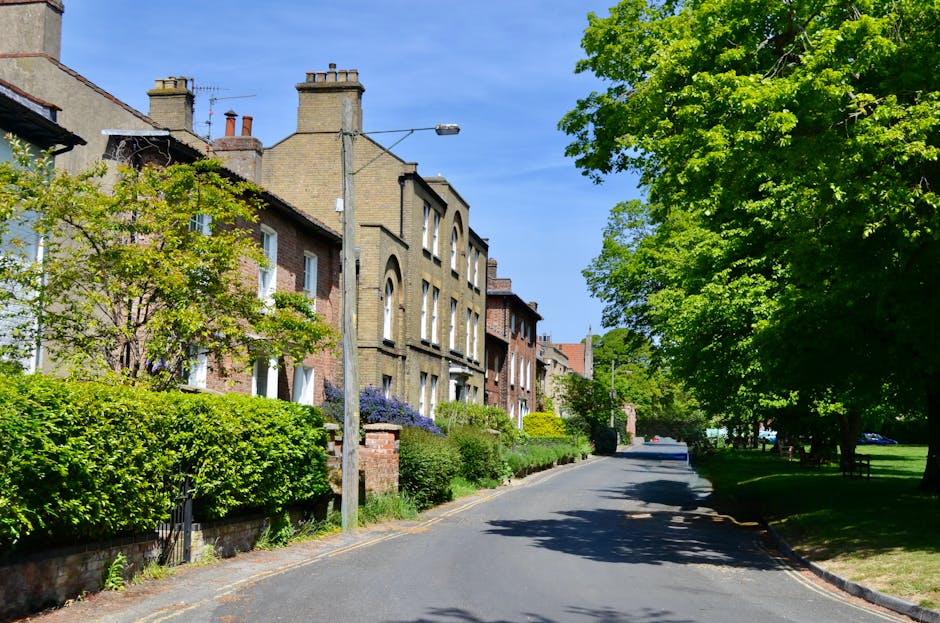
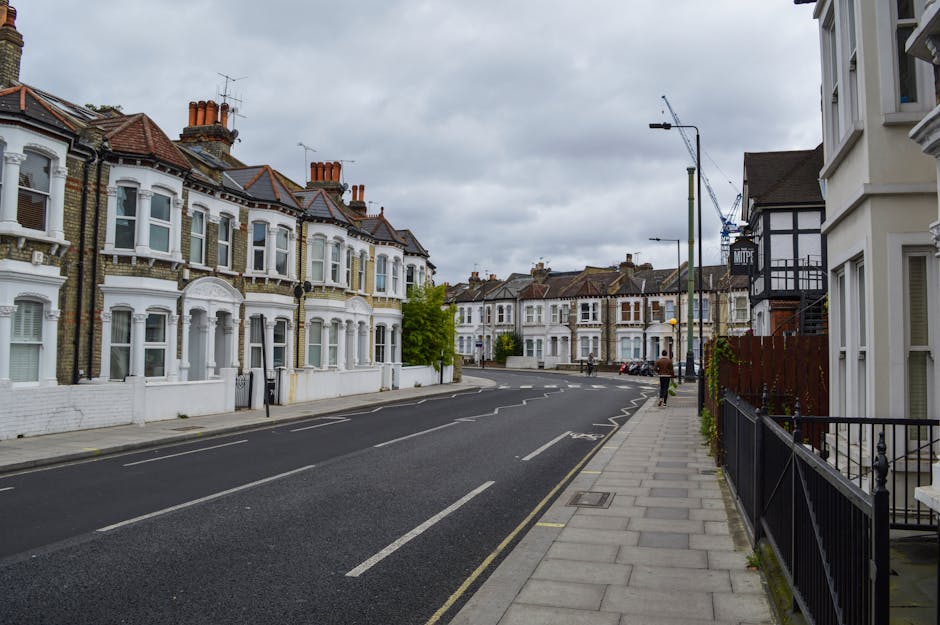
Gallows Corner removals guide for RM3 flats and maisonettes
Moving out of a flat or maisonette in RM3 can feel straightforward on paper and a bit fiddly in real life. Stairs are narrow, parking is awkward, the lift may be slow or missing altogether, and the route around Gallows Corner can add its own timing pressure. This Gallows Corner removals guide for RM3 flats and maisonettes is here to make the whole thing calmer, clearer, and far less last-minute.
Whether you are moving from a top-floor flat, a split-level maisonette, or a compact home with shared access, the details matter more than people expect. A good move is rarely about brute force. It is about planning, access, timing, protection, and knowing where delays usually happen before they happen. That's the difference between a move that runs like clockwork and one that starts with someone muttering at a stairwell by 8:15 in the morning.
In this guide, you will get practical advice for planning, booking, packing, loading, parking, and choosing the right moving support for RM3 properties near Gallows Corner. You will also find a checklist, a comparison table, and answers to the questions people usually ask when they are trying to move without the day becoming a minor ordeal.
Table of Contents
- Why Gallows Corner removals guide for RM3 flats and maisonettes matters
- How Gallows Corner removals guide for RM3 flats and maisonettes works
- Key benefits and practical advantages
- Who this is for and when it makes sense
- Step-by-step guidance
- Expert tips for better results
- Common mistakes to avoid
- Tools, resources and recommendations
- Law, compliance, standards, or best practice
- Options, methods, or comparison table
- Case study or real-world example
- Practical checklist
- Conclusion
- Frequently asked questions
Why Gallows Corner removals guide for RM3 flats and maisonettes Matters
RM3 covers a busy part of east London where homes are often a mix of purpose-built flats, maisonettes, and smaller residential blocks. That sounds simple until moving day arrives and you realise the route to the front door is not exactly van-friendly. Shared entrances, limited visitor parking, narrow hallways, and stair-heavy layouts can all slow a move down if you have not planned for them.
Gallows Corner adds another layer. It is a well-known local traffic point, so timing matters more than it would on a quieter residential street. If your van arrives too early, you may have nowhere convenient to wait. Too late, and you risk rushing the loading sequence, which is how scratched walls, scuffed floors, and tired backs happen. Nobody wants that.
This guide matters because flat and maisonette removals are not just smaller versions of house removals. They need a different rhythm. You may be moving less furniture, yes, but the access problems can be more demanding. A sofa that would be easy from a driveway suddenly becomes a puzzle when you are on a third-floor landing with a tight bend halfway down the stairs.
For many RM3 moves, the real challenge is coordination. Packing must be ready before the vehicle arrives, keys need to be managed properly, neighbours should not be disrupted, and the loading order needs to match access constraints. It is a lot. But once you understand the pattern, the move becomes much easier to steer.
How Gallows Corner removals guide for RM3 flats and maisonettes Works
The basic structure of a flat or maisonette move is the same anywhere: survey the property, plan the access, pack the contents, load carefully, travel, unload, and set everything down in the right rooms. What changes in RM3 is the amount of attention needed for the access points and the timing around local roads.
In practice, a well-run move usually starts before moving day. You will want to:
- check how many flights of stairs there are;
- measure the furniture that may need carrying by hand;
- confirm whether the building has a lift and whether it is reliable;
- think about parking and unloading space;
- decide what needs dismantling in advance;
- label boxes so they go into the right rooms first;
- keep hallways clear to reduce trip hazards.
For some customers, a man and van service is enough, especially if the move is light and the property access is manageable. For heavier loads, multiple bulky items, or awkward staircase turns, a larger removal company style approach may be better. There is no single right answer. It depends on the flat, the furniture, and frankly how much you want to wrestle with wardrobes on a Friday morning.
One thing that helps in RM3 is booking a team that understands local road conditions, nearby congestion, and the practical realities of loading near busy junctions. You do not need theatrics. You need steady, sensible movement and enough time to do things properly.
Key Benefits and Practical Advantages
The strongest benefit of planning a flat or maisonette move well is simple: fewer surprises. That sounds obvious, but in removals, surprises are expensive in time and energy. When access is clear and packing is organised, the whole day feels lighter. Even a move with two flights of stairs can feel manageable if the sequence is sorted.
Here are the main advantages of a careful RM3 removals plan:
- Less delay on the day: everyone knows where the vehicle goes and how items will be carried.
- Reduced damage risk: furniture, bannisters, walls, and doorframes are easier to protect when there is a plan.
- Better use of van space: loading in the right order avoids waste and second trips.
- Lower stress for you: you are not making decisions while carrying a mattress down stairs.
- Smoother neighbour relations: shorter blockages in shared hallways and entrances.
There is also a subtle advantage people overlook. Good preparation gives you room to breathe. A move day can feel noisy and slightly chaotic - tape ripping, footsteps on stairwells, the occasional thud of a box being set down a bit too firmly. If the plan is clear, that noise becomes part of the process rather than part of the panic.
And yes, the right moving support can save your back. That alone is often reason enough.
Who This Is For and When It Makes Sense
This guide is for anyone moving from or into a flat or maisonette in RM3, especially around Gallows Corner and nearby residential streets. It is particularly useful if your home has limited parking, shared access, or awkward internal layouts.
You will likely benefit most if you are:
- moving from a top-floor flat with no lift;
- relocating from a maisonette with internal stairs;
- trying to move on a tight schedule;
- moving with children, pets, or fragile items;
- planning a solo move but expecting help with lifting;
- comparing home moves options and not sure how much support you actually need.
It also makes sense if you are moving a small-to-medium load and want to keep costs controlled. A lighter move does not automatically mean an easy move. In a flat, even a modest amount of furniture can become cumbersome once stairs and narrow corners enter the picture.
If you are dealing with a larger household move, you may need a broader service mix, such as house removals support or help from experienced house movers. That is usually where planning becomes even more valuable, because the margin for error gets smaller.
Step-by-Step Guidance
Below is a straightforward way to organise a Gallows Corner flat or maisonette move without losing the plot halfway through.
- List everything you are moving. Group items into furniture, boxes, fragile pieces, and anything that needs dismantling.
- Measure the tricky items. Sofas, wardrobes, beds, and large desks are the usual suspects. Measure doorways and stair widths too, not just the furniture.
- Check access at both addresses. Look at parking, staircases, lifts, and whether either building has timed entry restrictions or shared access points.
- Choose the right moving support. A smaller van is fine for lighter moves, while bigger loads may need a larger vehicle or fuller service. If you need a flexible load-and-go setup, a man with van arrangement can work well.
- Pack with the route in mind. Heavy items go into smaller boxes. Delicate items should not be buried under books, and anything you will need first should be packed last.
- Protect floors and edges. Use blankets, wraps, and simple coverings where needed. A chipped corner on a doorframe is the sort of thing you notice afterwards, annoyingly.
- Prepare the landing zone. Keep the hallway clear and decide where large pieces will go in the new home before arrival.
- Load in a sensible sequence. Start with the heaviest and least fragile items, then fill the gaps with boxes and lighter items.
- Do a final sweep. Check cupboards, meters, loft-style storage, and behind doors. It is always the small thing that gets left behind.
If you want packing handled more fully, the packing and unpacking services option can save a lot of time. That is especially helpful if you are moving after work, or if your week has already been swallowed by admin, childcare, and too many emails. Truth be told, most people are already tired before moving day starts.
Expert Tips for Better Results
The difference between a decent move and a smooth move usually comes down to the small stuff. Here are the details experienced movers keep an eye on.
1. Book around the building, not just the date
If your block has restricted parking, busy entrances, or shared hallways, the best moving time may be mid-morning rather than very early. You want a time when neighbours are less likely to be crossing your path and you are not fighting rush-hour traffic at Gallows Corner.
2. Use smaller boxes than you think you need
This one gets ignored all the time. A small box full of books is manageable. A huge box full of books is a back injury waiting to happen. Keep heavy items compact. It is one of those boring tips that works every time.
3. Photograph awkward setups before dismantling
Take quick photos of bed frames, shelving, and any fitted or semi-fitted furniture before you take them apart. When you are rebuilding later, those pictures are worth their weight in gold. Or at least in screws.
4. Keep one "open first" bag
Put kettle, phone charger, toilet roll, tape, snacks, medications, and a basic tool kit into one bag. It saves a ridiculous amount of hunting around after you arrive.
5. Respect the stairwell
In a flat move, the stairwell is often the bottleneck. Keep it clear, move one item at a time, and don't rush around corners. When people rush stairs, that is when accidents happen. Simple as that.
Also, if you are unsure whether your move needs a lighter vehicle or a more substantial setup, compare removal van options with moving van capacity and think realistically about your furniture. It is much easier to get that right in advance than to discover halfway through the day that the wardrobe is not, in fact, budging.
Common Mistakes to Avoid
Most moving headaches are preventable. The trouble is that the mistakes are usually boring, which is why they get made.
- Underestimating access: people focus on property size, not staircases, lifts, and corridor turns.
- Packing too late: the night-before box-fest never ends well.
- Ignoring parking: if the van cannot stop near the entrance, everything takes longer.
- Mixing heavy and fragile items: this is how broken lamps and crushed picture frames happen.
- Not measuring large furniture: sofas can be stubborn, especially in maisonette stairwells.
- Forgetting building rules: some blocks have expectations about lift use, hallway protection, or moving hours.
- Leaving the essentials too deep in boxes: first-night basics should be easy to find.
One subtle mistake is not asking about insurance and handling standards. A reliable provider should be able to talk clearly about how items are moved and protected. You do not need a lecture. You do need reassurance that the process is handled with care. A good starting point is to look at a company's insurance and safety approach and understand what is included before you book.
Another common slip? Assuming every move is just a van, a couple of boxes, and a heroic attitude. Lovely in theory. Less lovely when you are three flights up and the chest of drawers has developed opinions.
Tools, Resources and Recommendations
You do not need a warehouse full of gear to move well. A few practical tools make a serious difference.
- Strong tape: better than cheap tape that peels off halfway through.
- Marker pens: label every box clearly with room and contents.
- Furniture blankets or wraps: useful for corners, polished surfaces, and larger pieces.
- Zip bags: ideal for screws, shelf pins, and small fixings.
- Box cutters or scissors: keep one in your essentials bag, not buried in a box.
- Measuring tape: essential for awkward furniture and tight entrances.
- Door and floor protection: especially useful in maisonettes where narrow movement routes can create friction points.
As for service choices, think in terms of the whole move rather than one piece of it. If you want a compact, flexible solution, man with a van may be enough. If you need broader assistance, removal services can be a better fit. And if price clarity matters before you commit, it is sensible to review pricing and quotes early, so you know where you stand.
For local searchers comparing options nearby, removals near me is often the sort of page people check when they want something quick, nearby, and not overcomplicated. Fair enough too. Sometimes you just want someone who can turn up, load properly, and keep the day moving.
Law, Compliance, Standards, or Best Practice
For most residential moves, the most important compliance issues are practical rather than dramatic. You want the move handled safely, lawfully, and with respect for the building and the people in it. That means paying attention to access, parking rules, manual handling, and any property-specific instructions.
In the UK, good moving practice usually includes:
- safe lifting and carrying methods;
- careful loading so items do not shift in transit;
- clear communication about arrival times and access;
- respect for shared areas and neighbouring properties;
- appropriate insurance and business conduct;
- proper handling of any waste, packing materials, or unwanted furniture.
If you are clearing out items rather than taking everything with you, it helps to work with a provider that takes waste reduction seriously. The recycling and sustainability approach matters more than many people think, especially when a move creates a mountain of cardboard, old fittings, and items that are no longer needed.
It is also wise to read the booking terms carefully. Knowing cancellation conditions, what happens if access is poor, and how waiting time is handled can prevent frustration later. A few minutes with the small print can save a lot of back-and-forth. Nobody enjoys that part, but it pays off.
Options, Methods, or Comparison Table
There is more than one sensible way to move from an RM3 flat or maisonette. The best choice depends on how much you are moving, how many stairs you have, and how much help you want on the day.
| Option | Best for | Pros | Watch-outs |
|---|---|---|---|
| DIY with a hired van | Very small moves, confident loaders, flexible schedules | Budget-friendly, full control | Heavy lifting, parking stress, higher damage risk |
| Man and van | Light to medium flat moves, short local journeys | Flexible, practical, quick to arrange | May not suit large furniture or multiple loads |
| Full removal service | Heavier moves, tricky access, larger households | More support, less lifting for you, better coordination | Usually costs more than basic transport-only help |
| Packing + removals bundle | Busy households, time-poor moves, fragile contents | Saves time, reduces stress, more organised | Needs early booking and clear item lists |
If your flat is easy to access and the load is modest, a smaller setup can work well. If your maisonette has awkward turns, heavy furniture, and limited parking, a more complete moving arrangement is usually worth it. The best option is the one that matches reality, not the one that sounds cheapest at first glance.
For moving equipment and vehicle planning, it may help to look at removals van capacity alongside moving truck size if you are dealing with bulkier items. Sometimes the answer is obvious once you see the layout. Sometimes. Not always.
Case Study or Real-World Example
A typical RM3 move might look like this. A couple is leaving a second-floor maisonette near Gallows Corner and heading to a nearby house. They have a bed frame, a sofa, a dining table, six medium boxes, and a few awkward items like mirrors and a freestanding shelf. On the face of it, it is not a huge move. But the staircase is narrow, the landing turns sharply, and parking outside the block is limited to a short bay.
They prepare early. The bed frame is dismantled the night before. Boxes are labelled by room. The sofa dimensions are checked against the stairwell, and the biggest boxes are repacked into smaller ones after a quick reality check. They also keep the kettle, mugs, chargers, and toiletries in one easy-to-grab bag.
On move day, the vehicle arrives after the morning congestion has eased a bit. The load is carried in stages, with the sofa moved first while everyone is still fresh. The mirrors are wrapped separately. No one is rushing. No one is trying to squeeze a box through a doorway at the last second. The move finishes on time, and the first thing they do in the new place is make tea. Honestly, that is often the winning moment.
This is what good planning does. It turns a potentially tense move into a sequence of manageable tasks. Not glamorous, but effective - which is exactly what you want.
Practical Checklist
Use this checklist a day or two before the move. It is simple, but it catches a lot.
- Confirm move date, time, and access arrangements.
- Check parking outside both properties.
- Measure large furniture and awkward doorway widths.
- Label every box by room and priority.
- Separate essentials for the first night.
- Dismantle beds, tables, or shelving where needed.
- Wrap mirrors, glass, and fragile items securely.
- Keep hallways and stairwells clear.
- Protect floors, bannisters, and door edges if needed.
- Check both homes for forgotten items, meters, and keys.
- Review booking terms and safety details.
- Have water, phone charge, and a quick snack available.
If you want a move that feels better organised from the start, it can help to learn more about the provider behind the service. A page like about us can give you a sense of approach and priorities, while health and safety policy information helps you understand how the work is carried out responsibly.
Get a free quote today and see how much you can save.
Conclusion
Moving from an RM3 flat or maisonette near Gallows Corner does not need to be a headache. It does, however, need a proper plan. The building layout, stairs, parking, timing, and furniture size all matter more than they would in a typical driveway move. Once you treat those details seriously, the day becomes much easier to control.
The best removals are rarely the flashiest. They are the ones where boxes are labelled, access is clear, the right vehicle turns up, and the person moving house can focus on getting settled rather than firefighting. That is the aim here.
If you are preparing your own move, start with the awkward bits first: the heavy furniture, the parking, the stairwell, and the first-night essentials. Get those right and the rest usually falls into place. Move steadily, stay organised, and give yourself a bit of grace. You really do not need to make it harder than it already is.
And when the last box is inside, the hallway is quiet, and the kettle is on, you will feel it. Relief. Proper relief.
Frequently Asked Questions
What makes RM3 flat and maisonette removals different from a standard house move?
The main difference is access. Flats and maisonettes often involve stairs, shared entrances, tighter turns, and less convenient parking. Even a smaller load can take more time if the route in and out is awkward.
How far in advance should I book a move near Gallows Corner?
As early as you reasonably can, especially if you need a specific day or if your building has tricky access. A little extra lead time helps with vehicle choice, packing, and timing around local traffic.
Is a man and van service enough for a flat move in RM3?
Sometimes, yes. If you have a modest amount of furniture and manageable access, a man and van setup can be a practical choice. For larger or more awkward moves, a fuller service may be safer and less stressful.
How do I know if I need a larger vehicle?
Measure your bigger items and think about how much can be loaded safely in one trip. If you have a sofa, wardrobes, a bed, and several boxes, it may be worth considering a larger van or more complete removal support.
What should I do if parking is limited outside my flat?
Plan that early. Check whether there is a visitor bay, loading space, or any permit-style arrangement at either end of the move. If parking is limited, the timing and vehicle choice matter even more.
Do I need to dismantle furniture before moving day?
For beds, shelving, and larger tables, yes, it often helps. Dismantling in advance saves time and makes it easier to move items through narrow stairwells and doorways without damage.
How can I protect the stairwell and hallway?
Use covers or blankets where appropriate, keep the route clear, and move one item at a time. In shared buildings, tidy movement matters just as much as speed.
What if I only have a few boxes and one or two furniture items?
Then a smaller, flexible move may be enough. You might not need a large removal setup at all. A well-planned light move can be quick, simple, and surprisingly affordable.
Are packing services worth it for a flat move?
If you are busy, short on time, or dealing with fragile items, they can be very helpful. They are especially useful when the move needs to be efficient and you do not want the whole process spilling across several evenings.
What should be packed separately for the first night?
Keep chargers, toiletries, medication, basic tools, kettle items, a change of clothes, and important documents together. That first-night bag saves a lot of unnecessary rummaging.
How do I compare removal options without overcomplicating it?
Start with three things: how much you are moving, how difficult the access is, and how much lifting you want to do yourself. That usually makes the right choice clearer quite quickly.
Where can I check booking terms and service details before I decide?
It is sensible to review the company's terms and conditions, along with practical pages such as pricing and quotes and insurance and safety. That way you know what to expect before the moving day pressure kicks in.