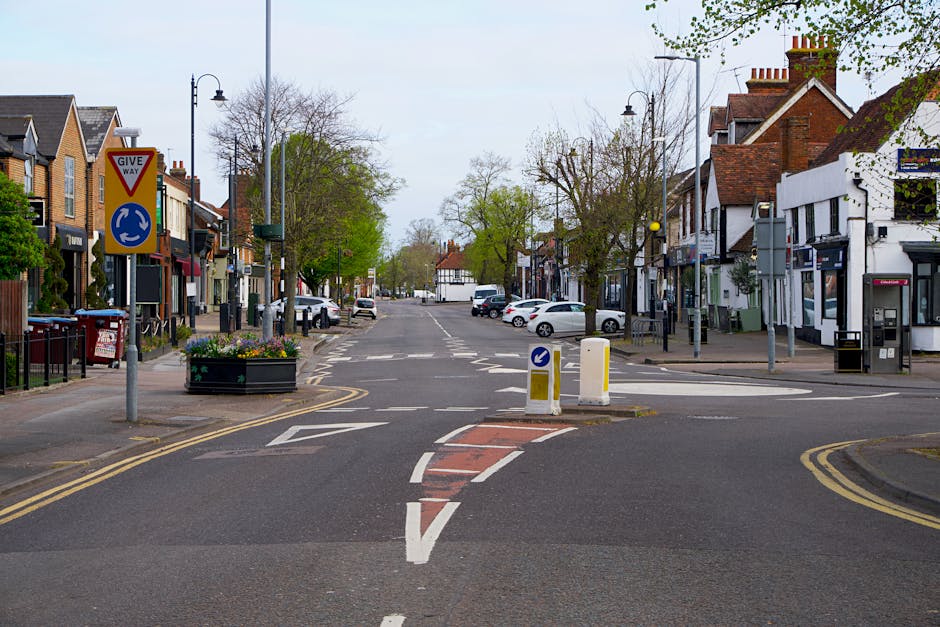
Avoid Havering Council Parking Fines During Your Move
Posted on 02/06/2026
Avoid Havering Council Parking Fines During Your Move: A Practical Local Guide
Moving day has a habit of exposing every small planning mistake at once. Boxes are stacked by the door, the kettle is packed somewhere mysterious, and the removal van arrives just as the street starts to fill up. If you are trying to avoid Havering Council parking fines during your move, the good news is that a lot of the risk can be reduced with a bit of forethought. You do not need to be an expert in parking rules to get this right. You just need a sensible plan, a careful eye on where the van will stop, and enough time to sort permissions before the first sofa comes out.
This guide explains how parking issues typically arise during house moves, what to check before moving day, and how to keep your loading process smooth without attracting avoidable penalties. It also covers practical local factors, common mistakes, and the small details that make a surprisingly big difference. If you are planning a full house move, a flat move, or even a same-day load in the Romford and Havering area, this is one of those things worth getting right the first time.
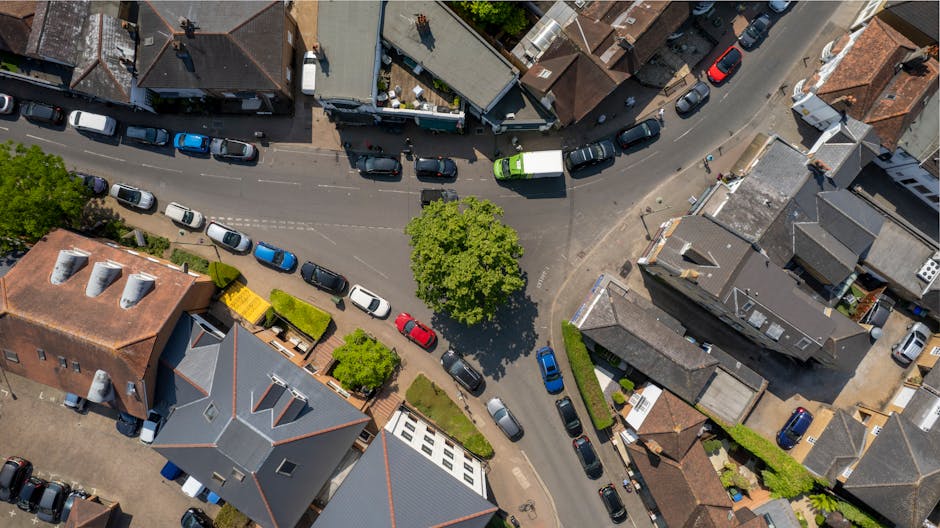
Why Avoid Havering Council Parking Fines During Your Move Matters
Parking fines can turn a perfectly normal moving day into a messy, expensive headache. And no, it is not just about the cost itself. A penalty can slow loading, create stress, and force you into rushed decisions at the exact moment you need clarity. Let's face it: when the back doors are open and the clock is ticking, nobody wants to be arguing with a parking wardens' ticket on the windscreen.
In Havering, as in most London boroughs, moving vehicles can be affected by a mix of controlled parking zones, single yellow lines, permit areas, suspended bays, and restrictions around yellow line waiting times. The issue is not usually that movers do something wildly wrong. It is more often the little things: a van stopping where a car would not be expected to stop, a driveway blocked by another vehicle, or someone assuming that "just five minutes" will be harmless. Five minutes has a way of becoming longer. It always does.
For households, landlords, tenants, and businesses, parking preparation matters because it protects time, money, and goodwill. It also helps the move run in a calmer, more professional way. If you are already juggling packing, cleaning, and decluttering, that bit of certainty around access is worth a lot. Articles like house moving made easy and stressfree and streamlining your move with decluttering strategies are useful companions here, because parking and packing really do work best as part of one plan.
How Avoid Havering Council Parking Fines During Your Move Works
The basic idea is simple: identify where the moving vehicle will stop, check what restrictions apply, and make sure the loading/unloading arrangement is lawful and realistic. That sounds obvious, but in practice it involves a few moving parts. You are not only looking at whether a road is busy. You are also checking if the spot is legal for a commercial vehicle, whether the time of day matters, and whether any permit or suspension is needed.
For a normal domestic move, the van ideally needs a clear, legal space close to the property entrance. The closer it is, the faster the loading, and the lower the temptation to leave the vehicle in a risky place. If access is tight, the answer is usually not to "chance it"; it is to build a better loading plan. That may mean using a smaller vehicle, splitting the move into loads, arranging temporary access permission, or starting earlier so the van can take a better position before the street gets congested.
A good moving plan usually includes these basic checks:
- Whether the road has yellow line restrictions or a controlled parking zone.
- Whether you need a permit, temporary dispensation, or permission to load.
- Whether the van can legally wait while items are carried out.
- Whether another vehicle, skip, or obstruction could block access.
- Whether your arrival time avoids school runs, commuter peaks, or busy delivery periods.
If you are working with professional movers, they may already know the local patterns and the likely pinch points. That helps, but it does not remove the need for your own checks. In our experience, the best move days are the boring ones. No drama, no guessing, no improvising on the pavement while holding a mattress. Better that way, honestly.
Key Benefits and Practical Advantages
There is more to this than avoiding a fine. Good parking planning improves the whole move from start to finish. You will feel it in the pace, the mood, and the amount of back-and-forth involved. A few practical benefits stand out.
1. Faster loading and unloading
When the van can stop close to the property, movers spend less time carrying items across kerbs, between parked cars, or around corners. That saves energy and reduces breakage risk. It also means the job is less likely to drag into the evening, when everyone is tired and a little bit grumpy.
2. Lower risk of damage
A legal, sensible parking position reduces the chance of collisions, scraped mirrors, dropped boxes, or awkward lifting. This matters even more with bulky furniture, appliances, or delicate items. For example, moving a bed or wardrobe from the front door to a van parked too far away is exactly the kind of task that gets harder by the minute. If that sounds familiar, you may also find the essential guide to moving your bed and mattress helpful.
3. Less stress for everyone involved
When parking is sorted, the move feels organised rather than improvised. You are not constantly wondering if someone will return with a ticket. You are not holding up the queue of items because the van is in the wrong place. Small win, but a real one.
4. Better use of paid help
If you are paying for movers, you want that time spent on lifting, securing, and transporting-not on circling the block or shuffling the vehicle every ten minutes. A properly planned loading bay, or even just a clean street-side position, gives you far more value from the booking.
5. Fewer last-minute compromises
Without a plan, you may end up accepting a bad parking spot because it is the only one left. That can be the difference between a smooth two-hour load and a messy all-day slog. It is a bit dull to plan for, but dull is good here.
Expert summary: The easiest way to avoid parking fines on moving day is to treat parking as part of the move plan, not as an afterthought. Check access, build in time, and choose the van position before the pressure starts.
Who This Is For and When It Makes Sense
This approach is useful for almost anyone moving in Havering, but it is especially important for people dealing with tighter access or time pressure. That includes flat moves, terraced streets, student moves, office relocations, and same-day jobs where there is very little margin for error. If you are moving into a busy RM3 street, parking planning is not optional; it is part of the job.
It makes sense for:
- Homeowners moving from or into residential streets with limited curb space.
- Tenants in flats where the entrance area is narrow or shared.
- Students needing quick loading without disrupting neighbours.
- Office managers moving files, chairs, and equipment on a deadline.
- Anyone hiring a man and van service or arranging a larger removal vehicle.
- People combining a move with storage, decluttering, or disposal work.
It is also relevant if your move involves awkward items that take longer to carry, such as a piano, a fridge freezer, or large wardrobes. In those cases, the parking spot needs to support safe lifting and manoeuvring, not just "somewhere the van fits". If you are managing heavier items, the guidance in pulling off the impossible lifting heavy items alone and mastering piano moving is worth a look too.
If you are a bit unsure whether your move qualifies as "simple", a good rule is this: if stopping the vehicle will require guessing, it probably deserves planning. That is the quiet truth of moving day.
Step-by-Step Guidance
Here is a practical way to reduce parking risk before and during your move. Keep it simple. Complicated plans tend to fall apart at the front gate.
-
Check the street layout and restrictions early
Look at both the old and new addresses. Identify yellow lines, permit bays, loading areas, narrow turning points, and any obvious obstruction risks. If you only look at the front door, you may miss the part that actually causes trouble: the approach to the property.
-
Work out the loading side of the move
Decide where the van should stop for the shortest safe carry. On a busy road, even a few metres matter. If the van can be positioned near the exit door rather than around the corner, the whole move becomes calmer and quicker.
-
Confirm whether a permit or special permission is needed
For some streets or situations, you may need permission to stop, wait, or suspend a bay. The exact process can vary, so it is wise to check well before moving day. Do not leave this until the morning of the move unless you enjoy mild chaos and unnecessary phone calls.
-
Choose the right time of day
Timing matters more than people expect. Early starts can help avoid traffic and improve parking availability. Midday can be easier in some areas, but not always. A quiet street at 8 a.m. can become a nightmare by 9:15. Timing is local, not universal.
-
Prepare the property for quick access
Boxes should be sealed, paths clear, and the key items grouped near the exit if possible. If the movers have to navigate around clutter, the van may sit longer than planned, which increases parking exposure. A good cleanup plan can also help; see efficient ways to clean your house before relocation.
-
Protect the most awkward items first
If you have furniture or appliances that need careful handling, keep them ready for the first load while the parking position is still ideal. It is usually the big pieces that create the pressure, not the mugs and cushions. For packing support, proper packing techniques can save time and reduce the number of trips.
-
Have a backup plan
If the ideal spot is taken, know your second-best option. A backup plan might mean a side street, a short wait, or a smaller shuttle vehicle. The point is to avoid improvisation under pressure.
-
Keep someone focused on access
One person should watch the van, the path, and the time. It sounds simple, but it saves a lot of faffing about. The person on access duty can also notice if a neighbour is about to leave, if a delivery truck is blocking the road, or if the route needs changing.
Expert Tips for Better Results
Experience shows that a few small habits can make the difference between a clean, quick loading process and a stressful one. These are the things people tend to learn the hard way, usually while standing in the rain with a box of books.
- Visit the street in advance if you can. A quick look at parking reality is often more useful than any amount of guesswork.
- Aim for the shortest legal carry. It reduces risk, speed loss, and the temptation to park badly.
- Use the right size vehicle. A van that is too large for the space can create more trouble than it solves.
- Keep paperwork and timing notes ready. If access is challenged, it helps to know what was arranged and when.
- Tell neighbours where appropriate. A quick heads-up can stop misunderstandings if the road is tight.
- Do not overload the first load with awkward items. Make the order of loading work with the parking conditions, not against them.
If you are moving from a flat or a narrow access property, service choice matters as well. A smaller, flexible vehicle can sometimes be more effective than a bigger one. That is one reason people often look at flat removals, man with a van options, or a straightforward removal van depending on the access and volume involved.
A slightly old-school tip: keep a spare hi-vis vest and a torch in the vehicle if you are moving near dusk. Not glamorous, but handy. Especially in winter, when the light disappears fast and everyone suddenly seems to forget where the kerb is.

Common Mistakes to Avoid
Most moving-day parking problems are predictable. That is the frustrating part, really. They are avoidable, but only if you know where the traps are.
- Assuming loading is always allowed. A quick stop is not automatically safe or lawful.
- Leaving parking until the morning of the move. By then, choice is limited and stress is high.
- Underestimating how long loading takes. One or two "quick trips" can become much longer.
- Blocking another resident's driveway or access point. That can create complaints very quickly.
- Forgetting that commercial vehicles may face different expectations. What seems okay for a car may not be okay for a van.
- Ignoring school-run or rush-hour pressure. The street can change character almost by the minute.
- Not planning for bulky waste or unwanted furniture. If items are being disposed of, the loading process takes longer and may need a different vehicle plan. The bulky waste removals guide is a useful extra read if you are clearing out at the same time.
Another common one: people think a neighbour will be okay with "just a minute". Sometimes they are. Sometimes they are not. Best not to build a whole parking strategy on hope.
Tools, Resources and Recommendations
You do not need a huge toolkit for this, but a few items and resources can make a real difference. The best moving-day setups are usually simple, organised, and a bit boring in the best possible way.
- Phone calendar reminders for any parking permissions, arrivals, or time windows.
- Printed move plan with both addresses, access notes, and contact numbers.
- Sticky notes or labels so key items are easy to identify and load quickly.
- Tape measure for checking whether larger items or the van route need extra room.
- Torch and phone charger for early starts or late finishes.
- Protective packing supplies to keep loading efficient and reduce the number of damaged items.
If you are still at the planning stage, it can help to read house moving made easy and stressfree alongside decluttering strategies, because fewer items usually means less loading time and less risk at the roadside. If you are storing anything temporarily, the storage options page may also be useful when you are trying to split the move into manageable stages.
For people moving larger or more fragile household items, service-focused pages such as furniture removals and piano removals can help you think through the handling side before parking becomes a problem. The planning is often half the job.
Law, Compliance, Standards, or Best Practice
Parking rules can vary by street, time, and vehicle type, so it is sensible to treat local restrictions carefully rather than making assumptions. In practice, that means checking the relevant parking signs, allowing for loading restrictions, and being aware that a moving van may not be treated like a normal private car. If a road has controlled parking or timed restrictions, the safest route is to understand the local conditions before arrival.
Best practice for movers is straightforward:
- Only park where stopping is permitted.
- Allow enough time for loading rather than planning a rushed stop.
- Use the smallest suitable access footprint for the property.
- Keep paths clear so workers can move quickly and safely.
- Plan for neighbour access, emergency access, and local traffic flow.
This is also where reputable moving companies show their value. A well-run firm should understand safe loading, insurance basics, and practical access planning. If you want a clearer picture of operational standards, the pages on health and safety and insurance and safety are worth reviewing. They help set expectations around careful handling and responsible working practices.
Compliance is not about being overcautious for the sake of it. It is about avoiding avoidable problems. That includes parking fines, yes, but also blocked access, disputes, delays, and unnecessary risk. A simple, lawful setup usually ends up being the cheapest setup too. Funny how that works.
Options, Methods, or Comparison Table
There are a few common ways people handle moving-day parking. None is perfect in every situation, so it helps to compare them sensibly.
| Method | Best For | Advantages | Trade-Offs |
|---|---|---|---|
| Park as close as possible in a legal space | Most home moves | Fast loading, fewer trips, lower risk | Limited by street availability and restrictions |
| Use a smaller van for tighter roads | Flats, narrow streets, inner residential roads | More manoeuvrable, easier to place safely | May need extra trips if the load is large |
| Split the move into timed loads | Busy areas or mixed access situations | More flexible, can reduce parking pressure | Takes longer and needs stronger organisation |
| Arrange temporary access planning in advance | Controlled streets or complex access | Reduces uncertainty, supports smoother loading | Needs lead time and careful preparation |
| Use storage to break the move up | Staged moves or downsizing | Less pressure on moving day, easier traffic management | Extra handling and another step in the process |
There is no universal "best" method. It depends on the street, the property, and the volume being moved. A student flat near a busier road will not need the same strategy as a family house with a driveway and easier frontage. If you are moving on a tighter schedule, same day removals can be helpful, but only if access and parking are thought through early.
Case Study or Real-World Example
A typical local scenario goes like this. A family in Havering is moving from a two-bed terrace to another property a few streets away. They assume the van can just stop outside for a bit while everything is loaded. On the day, the nearest legal space is already taken, the road narrows at school pickup time, and the boxes are still being carried out one by one. Nobody has done anything outrageous, but the move suddenly feels clumsy and rushed.
Now compare that to a better-planned version. The mover checks the street in advance, identifies a sensible loading point, keeps larger items ready first, and starts before traffic builds. The van parks once, loading is organised in a clear order, and the move finishes without the team needing to keep moving the vehicle. Not glamorous. Just efficient.
That second version is usually the one that saves money and mood. The first version? It is the sort of day people talk about later with a long sigh and a half-laugh. We have all had one of those jobs somewhere along the line.
For moves that cross local routes or involve different parts of Havering, it can also help to look at route-specific guidance such as best routes off the A127, best times to move in RM3, and moving from Harold Hill to Romford local removals tips. That kind of local insight can help you avoid both congestion and parking headaches.
Practical Checklist
Use this checklist a day or two before moving day. If you can tick most of it off early, you will feel the difference immediately.
- Confirm both addresses and note access challenges.
- Check for yellow lines, permits, loading restrictions, or bay rules.
- Decide where the van will stop for the quickest safe carry.
- Ask whether any parking permission or dispensation is needed.
- Plan the move time to avoid the worst traffic where possible.
- Make sure large items are packed, labelled, and ready first.
- Clear paths, doorways, and stairwells at both ends.
- Keep a backup parking option in mind.
- Tell anyone helping with the move what the access plan is.
- Prepare for items going to storage or disposal if needed.
If you are clearing out as part of the move, a little preparation goes a long way. For many people, the combination of recycling and sustainability, decluttering, and careful loading is what makes the day manageable rather than frantic.
Get a free quote today and see how much you can save.
Conclusion
Trying to avoid Havering Council parking fines during your move is really about something broader: making moving day predictable. Once parking is sorted, everything else has a better chance of falling into place. The boxes move faster, the heavy furniture is handled more safely, and there is far less room for needless stress.
If you take anything from this guide, let it be this: do the parking thinking before you do the lifting. Check the street. Choose the access point. Build in time. Keep a backup. Those four habits alone can spare you a surprising amount of hassle.
And if the move still feels a bit too much, that is normal. Most people feel that way, at least once or twice during the process. A calm, well-planned move is rarely accidental, but it is absolutely achievable. One careful step at a time.