What to Do When a Van Can't Park Outside Your Gallows Corner Flat
Posted on 18/06/2026
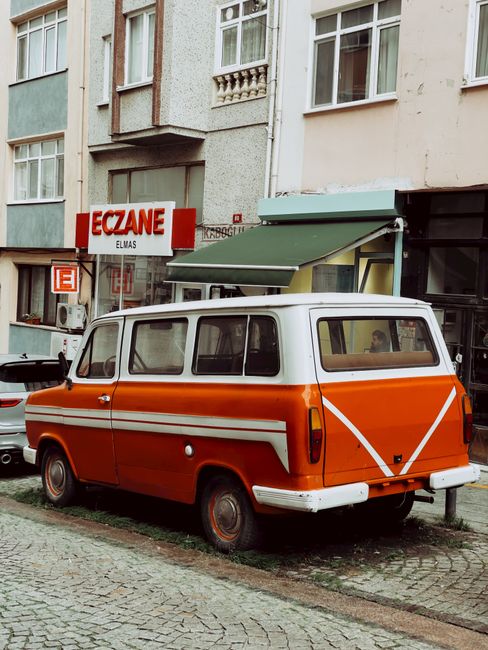
If you have ever stood at your front door, looked down at a van parked half a street away, and thought, "Well, this is going to be fun," you are not alone. Knowing what to do when a van can't park outside your Gallows Corner flat can save time, reduce stress, and stop a straightforward move from turning into a chain of awkward trips, delays, and sore arms. In flat moves especially, access is everything. A short carry can become a long haul very quickly, and that changes the whole rhythm of the day.
The good news? There are practical ways to manage it. With the right planning, sensible loading strategy, and a little local know-how, you can keep your move moving. This guide walks you through the real options, the risks to watch for, and the best way to work around restricted parking without turning moving day into a small disaster.
Why What to Do When a Van Can't Park Outside Your Gallows Corner Flat Matters
At first glance, this sounds like a small access problem. In practice, it affects almost every part of the move. If the van cannot stop near the entrance, your belongings have to be carried further, often through shared walkways, narrow paths, stairwells, or awkward turns. That means more handling, more time, and more chances for damage.
For a flat move in Gallows Corner, parking constraints are not unusual. You may be dealing with a busy residential road, limited spaces, double parking concerns, or the simple reality that a larger removal van cannot physically fit where a car can. Sometimes it is also about timing. Mid-morning on a weekday might be a nightmare, while an early slot gives you a much cleaner run. That little detail matters more than most people expect.
The real issue is not only convenience. Poor parking set-up can create pressure on everyone involved: the movers, neighbours, building managers, and you. If the crew has to keep pausing to carry items in short bursts, the move loses momentum. A sofa that should have gone in one controlled carry can become a stressful puzzle. And nobody wants that, frankly.
Expert summary: If the van cannot park directly outside your flat, the goal is not to force the van into a bad space. The goal is to shorten carry distance, protect the building, keep the move safe, and control the schedule.
How What to Do When a Van Can't Park Outside Your Gallows Corner Flat Works
When access is limited, a removal plan usually shifts from a "door-to-van" approach to a "route-and-transfer" approach. In plain English, that means you map the easiest possible path from the flat to the van, then move items in an organised sequence so you are not zig-zagging with boxes all afternoon.
The process often starts before moving day. A good mover or a well-prepared customer will check:
- where the van can legally stop
- how far items must be carried
- whether there are steps, lifts, gates, or tight corners
- if the route crosses shared entrances or busy pavement space
- what time of day is likely to be less congested
From there, the move may use one of several methods:
- Short carry and shuttle loading: items are taken from the flat to a nearby safe loading point in stages.
- Two-person carry routes: useful for awkward furniture, where a longer route means fewer bumps and less strain.
- Smaller vehicle access: sometimes a man and van style vehicle is easier for tight streets than a larger removal van.
- Timed loading windows: arriving at a quieter period can make a huge difference.
If the access issue is known in advance, the move can be planned around it rather than fought against it. And that is usually the difference between a calm, tidy move and one that feels like a slow-motion scramble.
Key Benefits and Practical Advantages
Handling restricted van parking properly is not just about making life easier. It has some very real benefits.
- Less risk of damage: the shorter and clearer the carrying route, the lower the chance of knocks, scuffs, and dropped items.
- Better use of time: a planned access route reduces wasted walking and repeated back-and-forth confusion.
- Lower physical strain: carrying a mattress, wardrobe, or stack of boxes much further than expected can be tiring very quickly.
- Reduced neighbour friction: if a van is not blocking driveways or causing congestion, the whole street tends to stay calmer.
- Safer handling: controlled lifting is better than rushing because the van is parked awkwardly or under pressure.
- More realistic scheduling: when the access problem is known early, the move can be scoped properly instead of being guessed at.
There is also a quieter benefit: peace of mind. You stop worrying about whether the van "should" be somewhere else and start focusing on the move itself. That sounds small. It is not small on moving day.
Who This Is For and When It Makes Sense
This approach makes sense for anyone moving from a flat where parking is limited, but it is especially useful if you are in one of these situations:
- upper-floor flats with stair access only
- properties on narrow residential roads
- blocks with controlled entrances or shared access lanes
- moves involving bulky items like sofas, beds, or appliances
- student moves where there is a lot of boxed clutter but limited loading space
- same-day moves where the schedule is already tight
It is also relevant if you are comparing moving options. For example, a smaller man and van service in Gallows Corner may be more practical than a larger vehicle in a street with awkward access. Or, if you are dealing with a full flat move, flat removals in Gallows Corner can be the better fit because the whole job is planned around the realities of apartment access, not just the items being moved.
If you are moving only a handful of items, the challenge may be minor. If you are moving a whole household out of a top-floor flat on a busy road, it becomes a planning issue, not just a parking issue.
Step-by-Step Guidance
Here is the practical version. Not theory. The bit that actually helps.
- Assess the access route early.
Before move day, walk the route from your flat to the nearest safe stopping point. Look for steps, narrow turns, locked doors, low ceilings, or rough ground. If a sofa has to turn sharply at the lobby corner, you will want to know that before everyone is carrying it. - Decide what needs to go first.
Heavy or awkward items should not be squeezed in after all the easy boxes. Build the loading order around distance, weight, and fragility. If a bed frame, washing machine, or dining table is involved, give it priority in the plan. - Use the best parking option available, not the most obvious one.
Sometimes the nearest space is not the safest one. A slightly farther but legal and stable stopping point can be better than a risky partial block. That is especially true if neighbours need access or visibility is poor. - Clear the route inside the building.
Hallways clutter up fast. Shoes, plants, bin bags, and random boxes that "will only take a second" become trip hazards. Move them out of the way early. - Break the loading into manageable runs.
Rather than trying to carry everything at once, use a steady rhythm. Boxes first, then medium items, then heavier pieces. A van parked a short walk away is easier to manage if the sequence is tidy. - Protect surfaces and edges.
Door frames, bannisters, and communal walls take a beating when the route is longer than expected. Use covers, blankets, or edge protection where practical. It avoids those awkward little marks that nobody wants to own up to. - Keep communication simple.
One person should direct the flow of items to avoid confusion. "That box goes next" is much better than three people all guessing at once. - Review the plan when the van arrives.
Things can change. A space may be taken, weather may shift, or someone may have blocked the route. Adjust calmly and keep moving. Panic helps nobody.
If you need help making the rest of the move feel less chaotic, it can be worth reading about how to make a house move more organised and stress-free. Packing prep matters too; the move is always easier when the boxes are sensible, labelled, and not stuffed like a Christmas turkey. For that, see proper packing techniques for a smoother move.
Expert Tips for Better Results
A few small adjustments make a surprising difference.
- Pre-sort by room: if the van is parked a little further away, clear destination sorting saves time on the other end.
- Flatten or dismantle where sensible: fewer awkward shapes means fewer pauses at the building entrance.
- Use the lift strategically: if your block has one, reserve it mentally for the heaviest or bulkiest runs. Don't waste the good lift time on a pile of socks in boxes. Bit of a waste, really.
- Keep essentials separate: documents, keys, chargers, medication, and kettle supplies should not vanish into the main load.
- Match vehicle size to access: in tighter streets, a smaller vehicle may actually create a smoother move than trying to shoehorn in something larger.
- Think about weather: rain changes grip, speed, and safety. A wet pavement near Gallows Corner is not the time to test your balancing skills.
If furniture is a major part of the move, it can help to review furniture removals in Gallows Corner so you understand how bulky items are typically handled. And if the move includes a heavier, more delicate item, moving heavy items safely is worth reading before anyone tries to be heroic.
![A black and white photograph of a modern, multi-storey residential building with multiple balconies, situated in Gallows Corner. In the foreground, several parked vehicles, including a white van, a cargo van, and a smaller car, are positioned along the street outside the building. The building's ground floor features large windows and a vehicle entrance, with a parking sign visible near the entrance. The street area appears as a designated loading zone or parking area for home relocation and furniture transport services. Surrounding the building are a few leafless trees, and the sky appears overcast. This scene exemplifies typical logistics challenges faced when a van cannot park directly outside a flat, necessitating careful loading and moving procedures that [COMPANY_NAME] would manage as part of their removals service.](/pub/blogphoto/what-to-do-when-a-van-cant-park-outside-your-gallows-corner-flat2.jpg)
Common Mistakes to Avoid
Most access problems become harder because of a few avoidable mistakes. These are the big ones.
- Assuming the van will "just fit somewhere." It might not, and a poor assumption can cost time.
- Ignoring loading distance. Even 30 or 40 extra metres matters with heavier items.
- Leaving everything to the last minute. Access issues are much easier to solve before moving day than on the morning itself.
- Blocking shared entrances. That creates conflict and can slow down the whole process.
- Overpacking boxes. A box that is too heavy becomes a liability when the carry is long.
- Forgetting building rules. Some flats have quiet hours, lift restrictions, or shared access expectations that need respect.
One of the sneakiest mistakes is underestimating how tiring repeated short carries can be. It seems manageable for the first ten minutes. Then it suddenly doesn't. That is just how it goes, annoyingly.
Tools, Resources and Recommendations
You do not need a van full of specialist gear to solve this problem, but a few useful items can make a real difference:
- Furniture blankets and wraps: to reduce marks during longer carries.
- Strong box tape and labels: so items stay secure and identifiable.
- Trolleys or sack trucks: helpful where the route is smooth enough for safe rolling.
- Gloves with grip: simple, but effective for box handling and awkward corners.
- Door protection and floor covering: useful in shared hallways or tight entrances.
- Detachable furniture tools: screwdrivers, Allen keys, and small bags for fixings.
For packing and box planning, the page on packing and boxes in Gallows Corner is a sensible companion read. If you are still clearing clutter before the move, decluttering before relocation can cut volume far more than people expect. Sometimes you do not need a bigger van; you need fewer things. A brutal truth, but a useful one.
If you are deciding whether items should go into storage first, storage in Gallows Corner can be part of the solution, especially when access is awkward or completion timings are not aligned.
Law, Compliance, Standards, or Best Practice
When a van cannot park outside a flat, the practical side of the move still needs to sit inside ordinary UK road and property rules. The exact detail depends on the street, the building, and the council arrangements in place, so caution is the right approach.
At a minimum, best practice usually means:
- parking legally and without blocking access
- avoiding obstruction of driveways, crossings, or emergency access
- checking whether any loading restrictions apply
- respecting building management rules for shared areas
- keeping the move safe for pedestrians and other road users
If there is any chance the van will need to stop in a restricted area, it is sensible to plan ahead rather than improvise. That is exactly why local guidance around parking and permits matters. The article on street permits for Gallows Corner moves is especially relevant if you want to avoid the kind of last-minute headache nobody enjoys. And if you want to reduce the risk of penalties, how to avoid Havering parking fines during a move is worth a look.
Best practice also includes safe lifting, especially where the carry route is longer than planned. Team lifting beats improvising every time. No prizes for trying to be a hero with a wardrobe, honestly.
Options, Methods, or Comparison Table
Here is a simple comparison of the most common ways to manage restricted van access outside a flat.
| Approach | Best for | Pros | Trade-offs |
|---|---|---|---|
| Park as close as legally possible | Short to medium flat moves | Fastest loading route, less carrying | May still require a walk if spaces are limited |
| Use a smaller van or man and van | Narrow roads and tight access | Easier to position, more flexible | May require more trips if volume is large |
| Shuttle carry from a nearby stop | Busy roads or no direct frontage | Legal, practical, adaptable | More labour and time needed |
| Split load with storage | Complex moves or delayed access | Reduces pressure on moving day | Extra handling and possible temporary storage cost |
The best option depends on volume, furniture size, and the actual street layout. A top-floor flat with a sofa and bed frame is not the same as moving a few boxes from a studio. The "right" solution is often the one that saves energy rather than the one that sounds quickest in theory.
Case Study or Real-World Example
Picture a typical Gallows Corner flat move on a weekday morning. The van arrives, but the nearest space is taken, and the road is tight enough that a full-size vehicle cannot safely sit right outside the building. Not ideal, but not a disaster either.
The team checks the next safe stopping point, which is only a short walk away. Boxes are loaded first because they are easiest to carry in regular runs. The sofa is left until later, when the route is clear and two people can carry it with proper room to turn at the doorway. The mattress and bed base are wrapped and moved after the hallway is cleared, so nobody is trapped trying to pivot around a pile of bags. Simple, but effective.
What made the difference? Not luck. Planning. The access issue was known, so the move was structured around it. By the time the last load went in, the whole thing felt controlled rather than frantic. There was still a bit of sweat, to be fair, but that is moving day for you.
If your move feels similar, it can help to compare it with advice on the best local routes for removals and the best times to move in RM3. Access and timing often go hand in hand.
Practical Checklist
Use this as a quick pre-move check if the van cannot park directly outside your flat.
- Confirm the nearest legal stopping point for the van
- Walk the carry route from flat to vehicle
- Check for steps, tight corners, gates, or lifts
- Clear shared hallways and entrances
- Label boxes by room and priority
- Keep fragile and essential items separate
- Prepare tools for dismantling furniture
- Use protective covers for floors and door edges if needed
- Match the vehicle size to the street access
- Allow extra time for loading and unloading
- Check whether parking restrictions or permits may apply
- Keep one person in charge of directing items during the move
Quick takeaway: if parking is limited, reduce carrying chaos by shortening the route, simplifying the load, and planning the sequence before the van arrives. That one change solves more than half the stress.
Conclusion
When a van cannot park outside your Gallows Corner flat, the answer is rarely to force the issue. The smarter move is to work with the access you have, not the access you wish you had. A clear route, sensible loading order, and a realistic parking plan will usually beat brute force every time.
Whether you are moving a single-bedroom flat, a student room, or a fuller household, the same principle holds: keep the carry short where possible, protect the building, and avoid rushing. Do that, and the whole day feels more manageable. Still busy, yes. But manageable.
If you are preparing for a move with limited access, exploring trusted local removal support, packing advice, and parking guidance can make the day much smoother. A little planning now saves a lot of dragging later.
Get a free quote today and see how much you can save.
And if the street feels tight, the lift is small, and the van is a bit further away than you hoped, take a breath. It can still be a good move. Honestly, it can.